Electrical Panel Upgrades: Signs You Need One & What to Expect
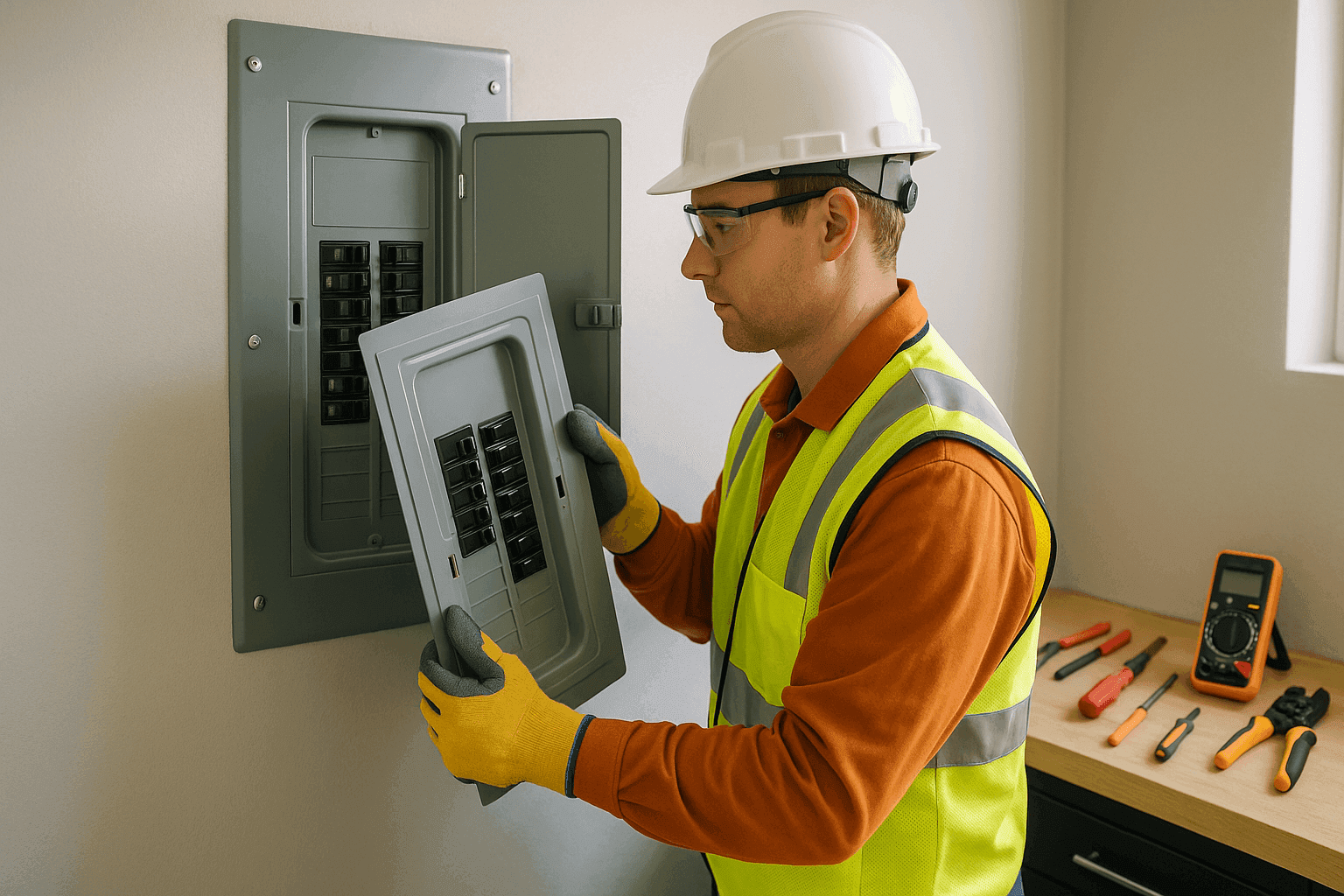
Is your home or business relying on an electrical panel older than your favorite classic car? If so, you’re not alone. Many buildings in the area still depend on outdated panels, quietly working behind the scenes—until one day, they don’t. When things start to flicker, pop, or smell like burnt toast, it’s not just annoying. It’s a red flag.
At Marquez Electrical, we know how much you depend on safe, steady power. Upgrading your electrical panel isn’t just about modern convenience. It’s about keeping your family, tenants, or business safe and your property up to code. Let’s break down the warning signs, the upgrade process, and why a new panel can make all the difference.
Common Signs Your Panel Needs an Upgrade ⚡
Electrical panels are the heart of your wiring system. Like any heart, they send out warning signals when something’s wrong.
- Flickering or dimming lights: Especially when you use appliances like microwaves or vacuums. This is like your lights “coughing”—not a good sign.
- Frequent breaker trips: Are you always running down to reset a breaker? That’s your panel’s way of crying uncle.
- Burning smell or discoloration: Any burnt odor near the panel or dark marks around breakers can signal overheating.
- Buzzing or crackling sounds: Panels should be silent. Any noise is a red flag.
- Old fuse panels: If you still have screw-in fuses, it’s time for an upgrade.
- Hot panel surface: The panel should never feel warm or hot to the touch.
- New equipment or additions: Adding a new HVAC, EV charger, or expanding your property? Your old panel may not handle the load.
Pro tip: If you’re unsure, schedule an electrical Safety Check near you before problems escalate.
The Upgrade Process Step-by-Step
Upgrading an electrical panel isn’t like changing a light bulb. It’s more like replacing the engine in your car—a job for skilled electricians with the right tools and knowledge.
1. Assessment and Planning
- A licensed electrician inspects your current system.
- They’ll ask about recent issues, new appliances, or renovations.
- Load calculations help determine the right panel size.
2. Permits and Code Compliance
- Electrical upgrades are regulated by strict safety codes (see the National Electrical Code, or NEC).
- Permits are required. Your electrician handles all paperwork and coordinates inspections.
3. Power Shutdown
- On upgrade day, your property’s power will be turned off (usually for several hours).
- Sensitive electronics should be unplugged in advance.
4. Removal and Installation
- The old panel is carefully disconnected.
- New breakers, wiring, and the new panel are installed.
- All connections are double-checked for safety and compliance.
5. Inspection and Power Restoration
- Local authorities or inspectors verify the work.
- Once approved, power is restored, and your new panel is ready for action.
How Upgrades Improve Safety and Efficiency
A new panel isn’t just a box with switches. It’s peace of mind.
- Reduces fire risks: Modern panels are designed to prevent overloads and electrical fires.
- Supports new technology: EV chargers, smart home systems, and high-efficiency appliances need more power than older panels can supply.
- Prevents nuisance trips: With the right capacity, breakers work as designed—no more random outages.
- Increases property value: Up-to-date electrical systems are a major selling point.
- Stays code-compliant: Avoid insurance issues and hefty fines by keeping your system up to date.
The Hidden Dangers of Delay
Ignoring panel problems isn’t just risky—it can be costly. Old panels may not trip breakers when they should, allowing wires to overheat. According to the U.S. Fire Administration, electrical malfunctions are a leading cause of house fires. Don’t gamble with safety.
Frequently Asked Questions
How long does an electrical panel last?
Most panels last 25–40 years. But lifespan depends on usage, load, and environment. If yours is from the last century, it’s time to consider an upgrade.
What types of panels are available?
- Main breaker panels: The standard for most homes and businesses.
- Subpanels: Add capacity in garages, workshops, or additions.
- High-voltage panels: For larger commercial or industrial settings. Ask your electrician which type fits your needs best.
What’s the risk if I wait?
Delaying can lead to electrical fires, damage to expensive electronics, or even total power loss. It’s like driving on bald tires—eventually, something’s going to blow.
Do I need to upgrade for insurance?
Some insurers require upgraded panels for coverage, especially if you have a fuse box or outdated brand (like Zinsco or Federal Pacific). Always check your policy.
Practical Tips for Panel Safety
- Test breakers twice a year.
- Never block access to your panel.
- Label all circuits clearly.
- Schedule regular electrical Safety Checks near you.
- Watch for any new signs of trouble—don’t ignore them.
What to Expect from a Licensed Electrician
- Professional, code-compliant work.
- Clear communication about scope, timing, and safety.
- Proper permits and inspections—no shortcuts.
- Detailed explanations so you know what’s happening every step of the way.
Panel Upgrades for Homes and Businesses
Whether your property is residential or commercial, the rules are the same: safe, reliable power is non-negotiable. Business owners especially need to protect sensitive equipment and maintain compliance with local codes and OSHA guidelines.
Risks of DIY vs. Calling a Pro
Electrical panels are not DIY territory. The risks include shock, fire, code violations, and voided insurance. Even if you’re handy, call a licensed electrician. Your safety—and that of your property—comes first.
Costs & Time Factors
Panel upgrades typically take half a day to a full day, depending on site conditions and inspection schedules. Costs vary based on panel size, wiring complexity, and location of the panel. While it’s an investment, it’s one that pays back in protection, reliability, and long-term peace of mind.
When It’s an Emergency
If you smell burning, see smoke, or lose power to half your home or business, call for emergency electrical service immediately. Don’t wait. Turn off the main breaker if it’s safe, and get everyone clear of the area.
Local and Seasonal Considerations
In storm-prone or high-demand seasons, older panels are more likely to fail under stress. Regional code changes and insurance requirements may also drive the need for upgrades. If your area has frequent outages or surges, consider surge protection as part of your panel upgrade.
Need answers fast? Call Marquez Electrical now — or reach us anytime at 888-896-8043 .