Electrical Safety Inspections: What Homeowners & Businesses Need to Know
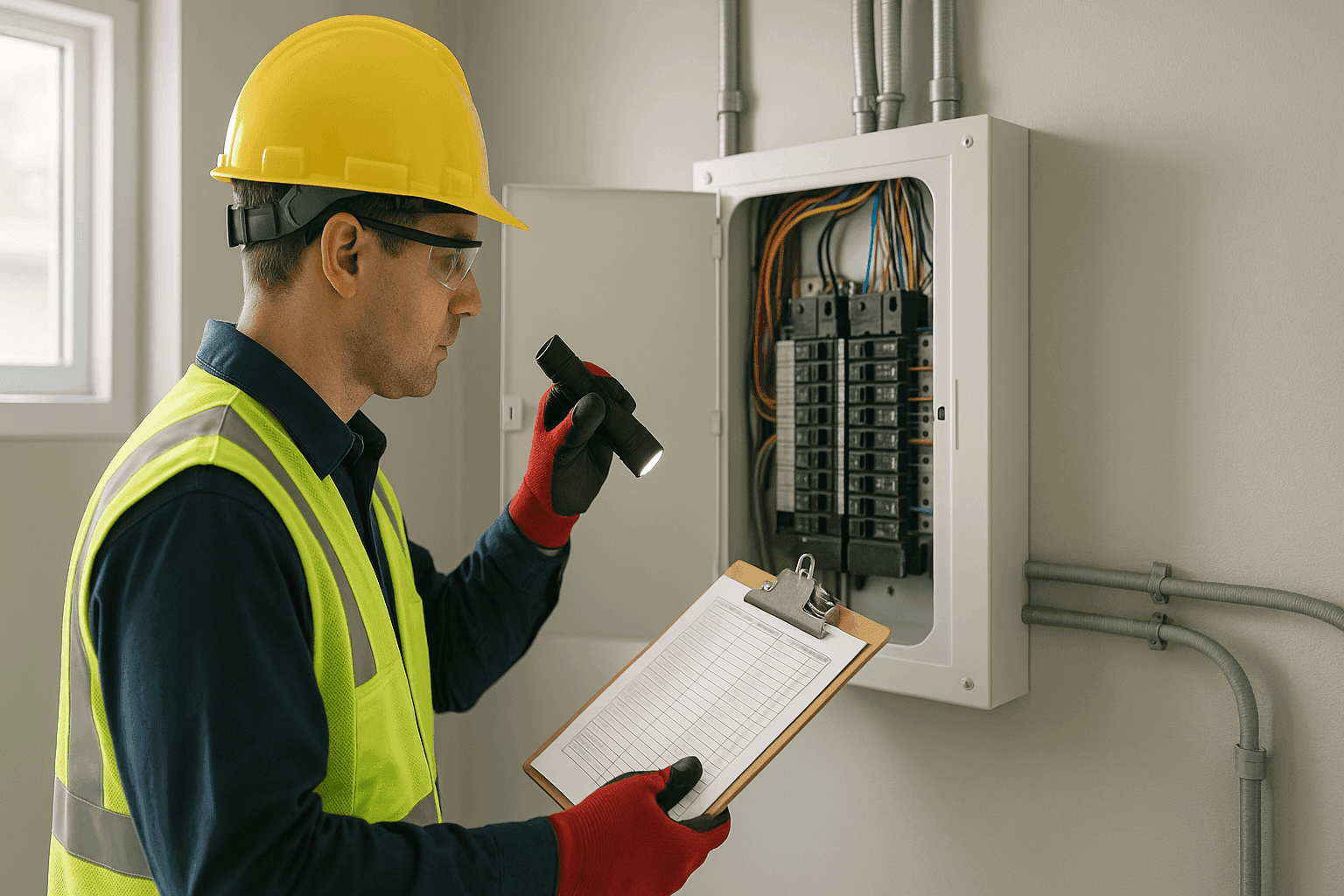
Is your home or business truly safe from electrical risks? Most problems are invisible—until suddenly, they’re not. Flickering lights, buzzing outlets, or an overworked panel are more than annoyances. They’re warning signs. And ignoring them can cost you far more than a lightbulb.
At Marquez Electrical, we know what’s at stake. Our certified electricians perform safety checks near you for families, business owners, property managers, and anyone who can’t afford a surprise outage—or worse, a fire. Let’s break down what electrical safety inspections really mean for you.
Why Electrical Safety Inspections Matter ⚡
Imagine your building as a living body. Wires are arteries. Switches are valves. If something blocks the flow, everything downstream suffers. An outdated panel is like a weak heart—one surge, and it might fail.
- Outdated Wiring: Many older homes and commercial spaces still rely on wiring installed decades ago. Brittle insulation, undersized circuits, or aluminum wires all increase fire risk.
- Overloaded Circuits: Plugging too much into one circuit is like overstuffing a backpack. Something’s bound to give—typically with heat, smoke, or a tripped breaker.
- Faulty Panels: Old or poorly maintained panels can’t handle modern loads. Some older models have even been recalled due to fire risks.
The National Fire Protection Association (NFPA) reports electrical faults as a leading cause of property fires. Insurance carriers are taking note, often requiring regular inspections for continued coverage. But the real reason to keep up? Your family’s safety. Your business’s continuity. Your peace of mind.
What Inspectors Check: Step-by-Step 🔍
A professional inspection isn’t just flipping switches. Here’s what we look at—and why:
1. Main Service Panel
- Signs of corrosion, overheating, or poor connections
- Breaker sizes and labeling
- Panel grounding and bonding
2. Wiring & Circuits
- Frayed, exposed, or outdated wiring (like knob and tube or aluminum)
- Overloaded circuits or “daisy-chained” outlets
- Correct wire gauge for load
3. Outlets & Switches
- Test GFCI/AFCI outlets for safety (especially kitchens, baths, garages)
- Check for loose, warm, or discolored outlets
- Confirm proper polarity and secure mounting
4. Appliances & Hardwired Equipment
- Inspect appliance wiring and dedicated circuits
- Look for over-fusing or improper connections
5. Lighting & Fixtures
- Loose fixtures or mismatched bulbs
- Exposed wiring in attics, basements, or crawlspaces
6. Life-Safety Devices
- Test smoke and carbon monoxide detectors
- Check emergency lighting and exit signs (for businesses)
7. Grounding & Surge Protection
- Confirm whole-house or panel surge protection
- Inspect proper grounding at panel and outlets
8. Specialty Systems
- Pool and spa wiring
- EV charger installations
- Low-voltage systems (doorbells, intercoms, data cabling)
- Motor control and machine wiring (for commercial clients)
Every inspection is tailored. Residential, commercial, new build, or decades-old—no two properties are identical.
Common Issues Found During Inspections
Most hazards hide in plain sight—until a pro starts looking.
- Loose or corroded connections (often causing intermittent power or heat)
- Double-tapped breakers (two wires in a slot meant for one)
- Improperly installed outlets or switches
- Outdated panels like Federal Pacific or Zinsco (known for fire risks)
- Missing GFCI/AFCI protection in wet or high-risk areas
- Rodent-damaged wiring (especially in attics, basements, or old commercial buildings)
- Improperly grounded systems (opens risk of shock or equipment damage)
- Over-fused circuits (using a higher-amp fuse than the wire can handle)
These aren’t just code violations—they’re accidents waiting to happen.
How Often Should You Schedule an Inspection?
The answer depends on your property and usage. Here’s a good rule of thumb:
- Homes: Every 3–5 years, or before buying/selling. If you’ve added major appliances, remodeled, or noticed issues (like tripped breakers), schedule sooner.
- Businesses: Annual or biennial checks, especially if you have high turnover, operate heavy machinery, or rely on sensitive equipment.
- After major storms or floods: Water and electricity never mix. If your panel or wiring has been exposed, call for an immediate inspection.
- Before winter or storm season: Prevent outages and hazards before the cold hits.
Some insurance companies and local building codes may require proof of regular inspections. Always check your policy and local ordinances (see National Electrical Code, NEC, and your state’s requirements).
What’s Included in a Marquez Electrical Inspection
Our electricians bring more than a checklist. We bring years of experience and the latest tools.
- Full assessment of your main panel, wiring, and all accessible outlets and switches
- Testing of smoke and carbon monoxide detectors
- Visual and instrument-based checks for overheating, loose connections, or abnormal power draw
- Written report summarizing findings, code issues, and recommended fixes
We follow the National Fire Protection Association (NFPA 70) and Occupational Safety and Health Administration (OSHA) guidelines for every inspection.
How to Prepare for an Electrical Inspection
You can help streamline the process:
- Make sure panels, outlets, and equipment are accessible
- List any recent electrical issues or upgrades
- Gather previous inspection reports or repair records
- If you have pets, secure them safely
No need to tidy up every nook—just make sure we can reach the areas we need.
The Risks of DIY Checks vs. Professional Assessments
A DIY test—like plugging in a nightlight or pressing a GFCI button—only scratches the surface. It’s like checking your car’s oil without ever looking at the brakes or tires.
- Limited tools: Homeowners rarely have the equipment needed to detect hidden heat or current leaks.
- Code knowledge: Electrical codes change. What was safe a decade ago may now be a hazard—especially for additions, garages, and outdoor wiring.
- Safety: Even a “dead” circuit can carry dangerous voltage. Leave panel work and in-depth diagnosis to the pros.
When in doubt, call an electrician for safety checks near you. It’s not just about code—it’s about catching what you can’t see.
The Inspection Process: What to Expect
When a Marquez Electrical electrician arrives:
- Walk-through: We listen to your concerns and ask about recent upgrades, outages, or changes.
- Physical inspection: Checking panels, outlets, lighting, and visible wiring for obvious risks.
- Testing: Using meters to check for voltage drops, heat, or poor connections.
- Life-safety review: Testing smoke/CO detectors, emergency lighting, and surge protection.
- Report: You’ll receive a summary—clear, actionable, and free of jargon.
If we find urgent issues, we’ll discuss options right away. If not, you’ll know your property is up to scratch.
Prevention & Maintenance: Staying Safe Year-Round 🛡️
Here’s how to keep your system healthy between inspections:
- Avoid overloading outlets. Use power strips with surge protection, not daisy chains.
- Replace frayed cords or loose plugs.
- Test GFCI and AFCI outlets monthly.
- Keep panels and equipment dry and accessible.
- Schedule upgrades if you add major appliances or remodel.
For businesses: Train staff to spot electrical hazards and report problems early. A small fix today can prevent a costly shutdown tomorrow.
Costs & Time Factors
Electrical safety inspections are an investment, not an expense. Here’s what to expect:
- Time: Most residential inspections take 1–2 hours. Commercial inspections may require more time, depending on building size and complexity.
- Cost factors: Age and size of the property, number of panels and circuits, specialty systems like pools, spas, or data cabling.
While costs vary, the price of prevention is always less than the price of repairs, downtime, or insurance claims.
When It’s an Emergency
Some electrical issues can’t wait:
- Burning smell or smoke
- Sparking outlets or panels
- Frequent breaker trips or blown fuses
- Loss of power to critical equipment
If you experience these, call for emergency service immediately. Do not attempt to diagnose or repair these problems yourself. Marquez Electrical offers 24-hour emergency response for both homes and businesses.
FAQ: Electrical Safety Inspections
Q: How do I know if my wiring is outdated?
A: If your property is over 30 years old and hasn’t been rewired, or if you have two-prong outlets, cloth-insulated wires, or a fuse box, schedule an inspection soon.
Q: Are inspections required by law?
A: Requirements vary by city and state. Many insurance policies, business licenses, or real estate transactions require up-to-date inspection reports.
Q: What if I rent my property?
A: Landlords are usually responsible for electrical safety, but tenants should report issues immediately. For businesses, lease agreements may specify inspection responsibilities.
Q: Does a passed inspection mean I’m safe forever?
A: No system lasts forever. Regular use, renovations, and new appliances change your electrical needs. Checkups are essential—especially after big changes.
Local & Seasonal Considerations 🌧️
Winter storms. Summer heat waves. Heavy rains. Each season brings new risks.
- Before winter: Check heating circuits, backup generators, and outdoor lighting.
- Before storm season: Inspect for water entry, test sump pumps, and confirm surge protection.
- For pool owners: Inspect pool and spa wiring each spring. Water and electricity demand extra caution.
Commercial clients: Schedule inspections before peak business periods, expansion, or new equipment installation.
Citing Authoritative Resources
We follow guidelines from the National Fire Protection Association (NFPA 70), the Occupational Safety and Health Administration (OSHA), and the International Association of Electrical Inspectors (IAEI). When in doubt, check your local building department or state licensing board for the latest requirements.
Electrical issues don’t wait for a convenient time. Don’t wait for a surprise outage or scary repair bill. Schedule your electrical safety inspection with Marquez Electrical today.
Call Marquez Electrical now — or reach us anytime at 888-896-8043 .