How to Prepare Your Home Electrical System for Storms and Emergencies
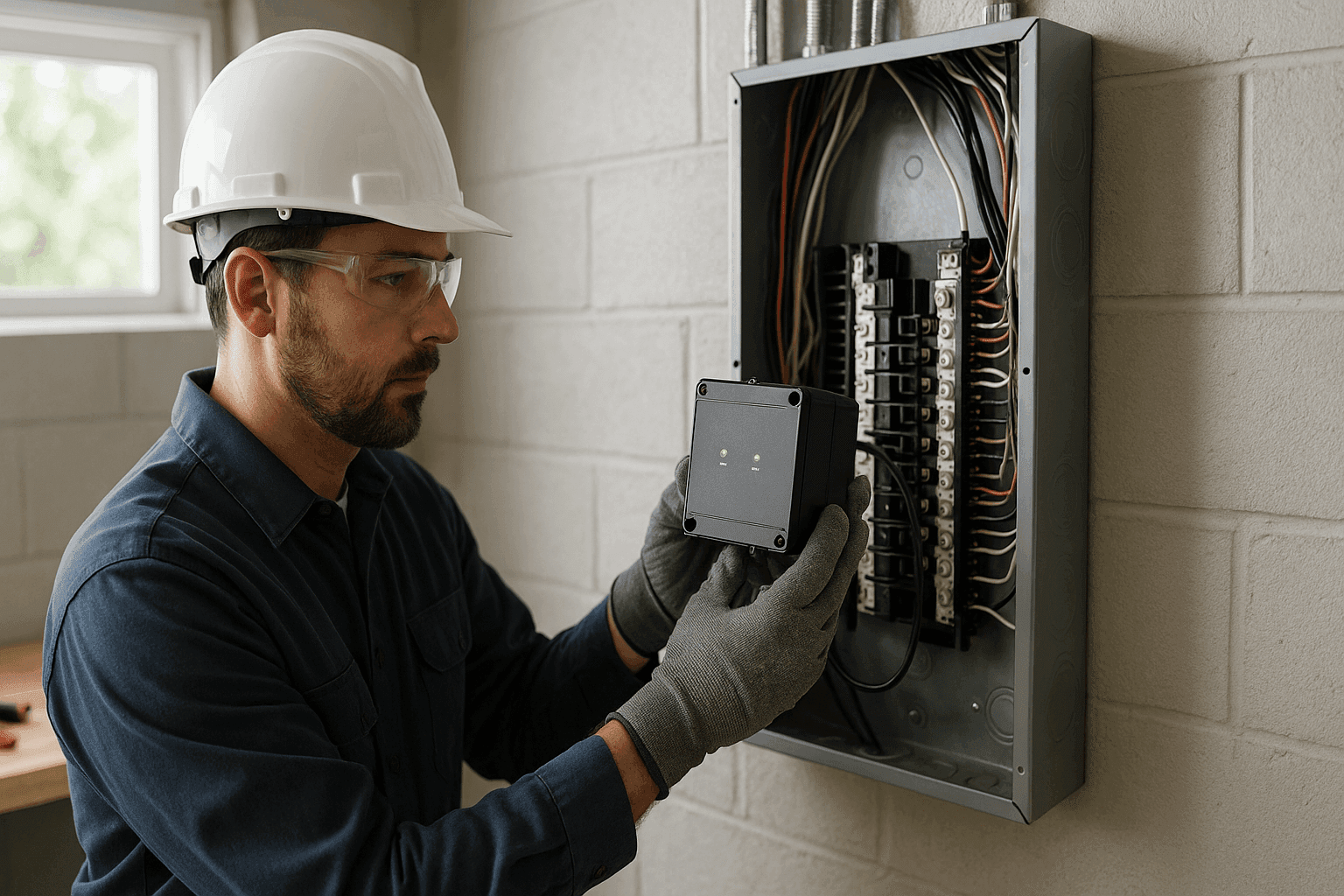
When thunder rumbles in the distance or heavy ice coats the power lines, it’s easy to feel powerless. Storms can knock out electricity in an instant, leaving your home in the dark—and your family at risk. At Marquez Electrical, we know your peace of mind depends on more than just flipping a switch. It starts with preparation.
Whether you’re facing hurricane winds, summer lightning, or a deep winter freeze, a few key steps today can make all the difference tomorrow. Here’s your guide—direct from licensed electricians—on how to prepare your home’s electrical system for storms and emergencies.
Assessing Your Electrical System’s Vulnerability ⚡
Think of your home’s electrical system like the nervous system of your house. A single weak spot, and everything else can be thrown off balance. Before the next storm hits, take a moment to look for these common vulnerabilities:
- Old or outdated panels: Older breaker boxes can fail when overloaded or wet.
- Exposed wiring: Attics, crawl spaces, and garages are especially at risk.
- Loose or corroded connections: These can spark even before the lights go out.
- Critical circuit locations: Know which breakers control essentials like refrigerators, medical equipment, or sump pumps.
Tip: Walk through your home and make a list of everything that absolutely must stay powered in an emergency. This helps you and your electrician prioritize solutions.
It’s also smart to schedule professional Safety Checks near you at least once a year. Licensed electricians can spot trouble before it becomes a crisis, referencing the National Electrical Code (NEC) for current safety standards.
Installing and Maintaining Generators
When the grid fails, a generator is your safety net. But not all generators are equal, and using one carelessly can be dangerous.
Types of Generators
- Portable Generators: Good for short outages; must be used outdoors and away from windows.
- Standby (Backup) Generators: Permanently installed; automatically power essentials when the grid goes down.
Safe Generator Use
- Never run a portable generator inside your home, basement, or garage—carbon monoxide kills silently.
- Plug appliances directly into the generator, or have a transfer switch installed by a qualified electrician.
- Keep extra fuel stored safely, away from living spaces and heat sources.
Maintenance Tips
- Start your generator monthly—just like a car, sitting idle wears it down.
- Check oil levels and replace filters as recommended.
- Schedule annual inspections by certified electricians to catch small problems before they’re big ones.
A well-maintained generator is like a life jacket—useless if it’s never checked, priceless when you need it most.
Surge Protection Essentials
Lightning is electricity’s wild card. Even a nearby strike can send a rush of power into your home, frying valuable electronics and appliances.
Whole-House vs. Plug-In Protection
- Whole-house surge protectors: Installed at your main panel. They guard everything at once, from HVAC to your smart fridge.
- Plug-in surge strips: Good backup for sensitive electronics, but no replacement for panel protection.
Selecting Surge Protectors:
- Look for devices tested to UL 1449 standards.
- Higher joule ratings mean more energy can be absorbed before the device fails.
- Have a licensed electrician install whole-house units for best results.
Pro Tip: Surge protection isn’t just for lightning. Utility grid fluctuations and even large appliances cycling on and off can cause damaging power surges.
What to Do During and After a Power Outage
Storm’s here. Lights go out. It’s tempting to spring into action—but safety comes first.
During the Outage
- Unplug sensitive electronics to prevent “restart surges” when power returns.
- Keep refrigerator and freezer doors closed to preserve food.
- Use battery-powered lights instead of candles to reduce fire risk.
- Check on neighbors, especially elderly or those with medical needs.
After Power Restores
- Wait a few minutes before plugging everything back in. Sudden demand can trip breakers.
- Inspect your panel for tripped breakers or burned smells. If in doubt, call an electrician.
- If you see downed power lines or flooding near outlets, stay out and call emergency services.
Identifying Critical Circuits: What Matters Most
Not everything needs to run during an outage. Ask yourself:
- Which appliances or systems are essential for health and safety?
- Do you have medical equipment that requires uninterrupted power?
- Is there a sump pump or well that protects your basement or water supply?
Work with an electrician to label your panel and prioritize circuits for backup generator coverage. This avoids guesswork and confusion when seconds count.
Emergency Electrical Safety Checklist 📝
- Test smoke and carbon monoxide detectors monthly.
- Keep flashlights and batteries in easy-to-find spots.
- Know where your main breaker is located.
- Have a list of emergency contacts, including a local electrician.
- Store extra fuses, batteries, and backup chargers.
DIY vs. Call a Pro
Some tasks are safe for handy homeowners. Others belong in professional hands.
DIY:
- Unplugging devices
- Checking batteries
- Labeling breakers
Call an Electrician:
- Installing surge protection or generators
- Rewiring or panel upgrades
- Fixing flickering lights, burning smells, or tripped breakers that won’t reset
Remember: Electricity doesn’t give second chances. When in doubt, call a pro.
What Pros Do On Arrival
Licensed electricians arrive with more than just tools. They bring knowledge of code requirements and safety protocols. Here’s what you can expect:
- Inspect your panel and wiring for water damage or overheating.
- Test outlets, switches, and GFCIs for safety.
- Check generator hookups and transfer switches.
- Review your home for hidden hazards, like overloaded circuits or outdated wiring.
They’ll also provide written findings and recommendations, so you’re not left guessing.
Prevention & Maintenance That Pays Off
Routine care is your best defense. Think of it as brushing your teeth—skip it, and the problems multiply.
- Schedule annual Safety Checks near you.
- Replace aging outlets, switches, and breakers before they fail.
- Upgrade aluminum or cloth wiring in older homes to modern standards.
- Add surge protection and backup power before storm season, not after.
According to the Electrical Safety Foundation International (ESFI), most electrical fires and outages can be traced to neglected maintenance or outdated systems. Don’t wait for a blackout to act.
Costs & Time Factors (What to Expect)
Every home is different, but here’s what often influences cost and timing:
- Generator installation: A portable setup may be done in hours; standby units can take a day or more.
- Surge protection: Whole-house units are installed in 1–2 hours.
- Panel upgrades or rewiring: May take a full day, especially in older homes.
Factor in the price of professional labor, materials, and any necessary permits. Quick fixes are sometimes possible, but safety is never worth rushing.
When It’s an Emergency 🚨
Some problems can’t wait:
- Burning smells, buzzing panels, or sparking outlets
- Water-damaged wiring after flooding
- Medical equipment losing power
- Repeated breaker trips with no clear cause
If you face any of these, call for emergency electrical service right away. Don’t try to troubleshoot live wires or wet panels yourself.
FAQ
What’s the safest way to use a portable generator?
Always use it outdoors, away from doors and windows. Plug appliances directly into the generator, or use a professionally installed transfer switch.
Will my insurance cover storm-related electrical damage?
Many policies cover electrical damage from storms, but may exclude surge damage unless you have surge protection in place. Check with your insurer for specifics.
How do I know if my surge protector needs replacing?
If your plug-in surge strips or panel unit show a warning light or have tripped, replace them. Most whole-house units last 3–5 years.
How often should I schedule electrical Safety Checks?
At least once a year, or after any major storm, flood, or renovation.
Local and Seasonal Considerations
Every region has its own electrical threats. In coastal areas, hurricanes can bring saltwater and wind-driven rain. Inland, ice storms freeze lines solid and snap branches onto power wires. Summer brings lightning—quick, fierce, and unpredictable.
Plan ahead:
- Before hurricane season, test generators and check sump pumps.
- In winter, inspect outdoor outlets and lighting for ice damage.
- In storm-prone areas, trim trees and clear debris near power lines.
No matter the season, be ready. Preparation is the best insurance you can buy—especially when it comes to your home’s electrical system.
Call Marquez Electrical now — or reach us anytime at 888-896-8043 .